

Cancer Treatment Planning & Personalized Care
How a diagnosis becomes a treatment plan — the options available, how personalization works, and when to bring in a specialist.
Understand your options.
Plan your care with confidence.
Effective cancer treatment starts with a plan built around the individual patient, not just the diagnosis. Cancer treatment planning brings together imaging, biopsy results, and staging to decide which combination of surgery, chemotherapy, radiation, targeted therapy, or immunotherapy fits a patient's specific cancer and health. At Prolife Cancer Centre & Research Institute, Pune, this personalized approach is guided by a multidisciplinary cancer care team.
Talk to a Cancer Specialist — Call +91 96070 79019Personalized, Multidisciplinary Care
Personalized cancer treatment means the plan reflects the patient's specific cancer, relevant molecular or genetic findings, overall health, and priorities — not a standard protocol applied to everyone. This is shaped through multidisciplinary cancer care: surgical, medical, and radiation oncologists collaborating on complex cases, alongside radiology, pathology, and nursing support.
One plan, several specialists
Surgical, medical, and radiation oncology perspectives come together on complex cases.
Finding the Right Cancer Specialist
If you have a confirmed or suspected diagnosis, a relevant family history, or symptoms worth investigating, a cancer specialist, cancer doctor, or oncologist can explain your options and coordinate your plan. Searching for an oncologist near me in Pune? The team at Prolife Cancer Centre & Research Institute, Market Yard, Pune, offers consultations and personalized treatment planning.
Consultation & coordination
A specialist consultation is the first step toward a coordinated, personalized plan.
Follow-Up & Survivorship Care
Cancer follow-up care continues after active treatment — scheduled scans, monitoring for recurrence, and managing lingering side effects. Cancer survivorship care supports longer-term physical and emotional recovery in the months and years after.
Care doesn't stop at treatment
Follow-up scans and survivorship support continue well after active treatment ends.
Cancer Care at Prolife, Pune
Prolife Cancer Centre & Research Institute, a cancer treatment center in Market Yard, Pune, supports patients with individualised treatment planning, surgical oncology, chemotherapy, radiation oncology, and follow-up care after treatment.
Ready to discuss your cancer care?
Speak with the Prolife team about your consultation and treatment options.
Cancer Treatment Planning FAQs
Diagnosis, staging, and multidisciplinary input to decide the right treatment or combination for the patient's specific cancer.
Surgery, chemotherapy, radiation, targeted therapy, immunotherapy, and hormone therapy — often combined based on diagnosis.
If you have a confirmed or suspected diagnosis, relevant family history, or symptoms your doctor recommends investigating.
Prolife Cancer Centre & Research Institute, Market Yard, Pune.
No — plans are reviewed as scans and lab results come in, and may be adjusted. This is a normal part of cancer care, not a sign that something has gone wrong.
Not always. Many patients consult a cancer specialist directly after a diagnosis or referral from their primary doctor. Check with the hospital's front desk for the current process.
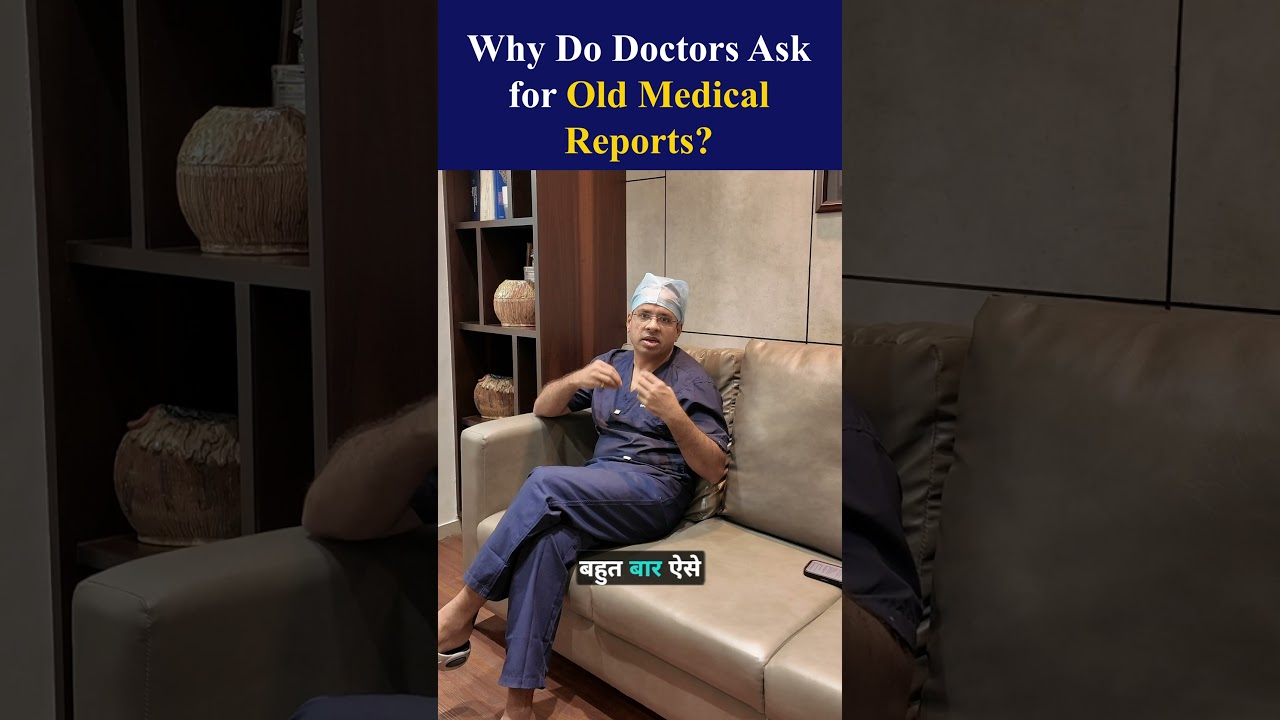
Bring your existing diagnosis reports, scans, biopsy results, current medication list, medical history, and other relevant medical records available to you.
What should I bring to my first cancer consultation?
Having your medical information ready can help your specialist understand your diagnosis and plan the next steps more efficiently.
Diagnosis & pathology reports
Existing diagnosis reports and pathology or biopsy results.
Imaging reports & scans
CT, MRI, PET, ultrasound reports, or discs and films if available.
Referral letter
Bring your referral letter if you have one.
Current medications
A list of your current medicines and dosages.
Medical history
Include other health conditions and past surgeries.
Insurance or ID documents
Bring these documents if applicable.
Questions for your doctor
A written list can help you remember what you want to ask.
Previous treatment records
Include relevant records from earlier consultations or treatments.