


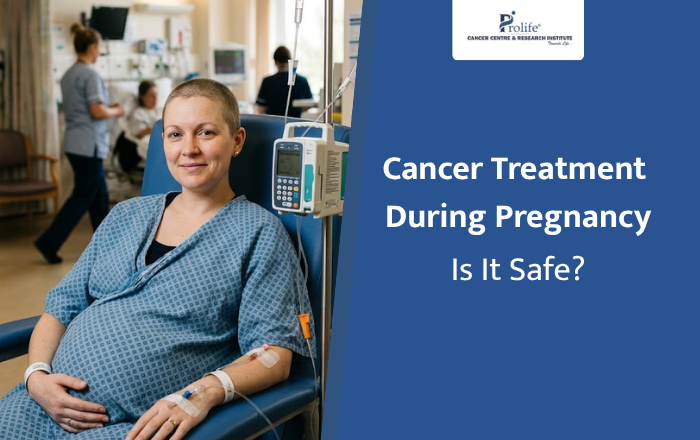
Imagine finding out you are pregnant — and then, just days later, hearing the words “you have cancer.” It is a moment that can shake a person to their core. You want to fight the cancer with everything you have, but you also want to protect the little life growing inside you. The fear, the confusion, the questions — it is all completely understandable.
The good news? Cancer treatment during pregnancy is possible. It is not simple, and it requires careful planning — but thousands of women around the world have gone through this and come out the other side with healthy babies in their arms. This blog walks you through what you need to know, clearly and honestly.
How Common Is Cancer During Pregnancy?
You may feel completely alone in this situation, but you are not. Research shows that cancer during pregnancy affects approximately 1 in every 1,000 pregnancies. That is more common than most people expect.
The cancers most frequently diagnosed during pregnancy include:
- Breast cancer (the most common — about 1 in 3,000 pregnancies)
- Cervical cancer
- Hodgkin’s lymphoma
- Melanoma (skin cancer)
- Leukemia
One important thing to know: pregnancy does not cause cancer. However, the hormonal changes that come with pregnancy can sometimes mask early symptoms — which is why a cancer diagnosis can feel so sudden and shocking.
Can You Receive Cancer Treatment While Pregnant?
This is the question every mother asks first — and the answer is: yes, in many cases, cancer treatment during pregnancy is possible and safe.
The key factors your doctor will consider are:
- What type of cancer you have and how advanced it is
- Which trimester you are in
- Which treatment option is being recommended
Every decision is made carefully, with both your health and your baby’s safety in mind.
Treatment Options — What Is Safe and What Is Not?
– Surgery
Surgery is generally considered the safest treatment option during pregnancy. The second trimester (weeks 13–27) is usually the best time to perform surgery, as the baby’s organs have formed and the risk is lower. Many surgeries for cancer while pregnant can be carried out successfully without harming the baby.
– Chemotherapy
Chemotherapy during pregnancy is a topic that worries most patients — and rightly so. During the first trimester, chemotherapy is typically avoided because the baby’s organs are still forming and the risk of harm is highest.
However, in the second and third trimester, certain chemotherapy drugs can be used relatively safely. In fact, studies show that children born to mothers who received chemotherapy after the first trimester show no higher rates of birth defects than the general population. Your doctor will only recommend drugs with an acceptable safety record for your stage of pregnancy.
– Radiation Therapy
Radiation — especially to the abdomen or pelvis — is generally avoided during pregnancy because of the direct risk it poses to the baby. In some cases, such as cancer of the head or neck, radiation may be considered with careful shielding. This decision is always made on a case-by-case basis.
– Targeted Therapy and Immunotherapy
These newer treatments have limited safety data for pregnant women and are usually avoided unless there is no other option available.
How Treatment Changes by Trimester
- First Trimester (Weeks 1–12): The highest-risk period. Most treatments are delayed if possible. Surgery may be performed in life-threatening situations.
- Second Trimester (Weeks 13–27): The safest window. Surgery and select chemotherapy options become available. Most treatment plans begin here.
- Third Trimester (Weeks 28–40): Planning shifts toward completing treatment and deciding when to deliver. Early delivery may sometimes be considered to allow more aggressive treatment.
What About Your Baby?
This is the heart of every mother’s worry. Here is what research tells us:
- The most common concerns are low birth weight and early delivery — not birth defects.
- Cancer does not transfer from mother to baby (with extremely rare exceptions).
- Most children born to mothers treated for cancer during pregnancy show normal physical and cognitive development.
- Regular ultrasounds and fetal monitoring throughout treatment are standard practice.
The key is having an oncologist, obstetrician, and neonatologist working together as a team — coordinating every decision with both patients in mind: you and your baby.
5 Steps to Take After a Cancer Diagnosis During Pregnancy
- Take a breath — do not panic. Get a confirmed diagnosis and full staging first.
- See a specialist, not just a general physician. A surgical oncologist with cancer experience is essential.
- Ask the right questions — about your trimester, your treatment options, and how your baby will be monitored throughout.
- Build your support system — family, friends, and a counselor if needed. Mental health matters enormously here.
- Stay closely monitored. Regular check-ins, scans, and fetal assessments are your best tool for staying informed and in control.
You Do Not Have to Face This Alone
If you or someone you love has received a cancer diagnosis during pregnancy, the most important step you can take is to consult a trusted surgical oncologist — someone who has the knowledge and experience to guide you through this with clarity and care.
At Prolife Cancer Centre in Pune, Dr. Sumit Shah — Surgical Oncologist and Robotic Surgeon — works with patients facing exactly these kinds of difficult, complex situations. With a dedicated team that brings together oncology and obstetric care under one roof, Dr. Shah helps patients understand their options and make informed decisions that protect both mother and child.
Book a consultation with Dr. Sumit Shah at Prolife Cancer Centre, Pune today. Because both lives matter — and the right guidance can make all the difference.
Frequently Asked Questions
Q1. Can cancer treatment harm my baby?
It depends on the treatment type and trimester. Surgery is generally safe throughout pregnancy. Chemotherapy is avoided in the first trimester but can be used carefully after that. Radiation is usually avoided near the abdomen.
Q2. Should I delay treatment until after delivery?
Sometimes, yes — but only for slow-growing cancers and in certain trimesters. Aggressive cancers usually require prompt attention. A specialist will help you weigh the risks clearly.
Q3. Will chemotherapy cause birth defects?
The risk is highest in the first trimester. After that, many chemotherapy drugs used in treating cancer while pregnant have not shown a significant increase in birth defects based on current research.
Q4. Can I breastfeed after treatment?
It depends on the drugs used. Some chemotherapy agents are not safe in breast milk. Your doctor will advise you based on your specific treatment plan.
