

Prolife Cancer Centre - Colon Cancer Treatment In Pune
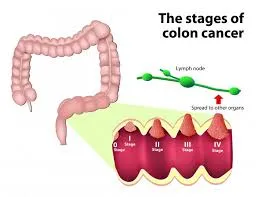
Colon cancer is cancer of the large intestine (colon), which is the final part of your digestive tract. Most cases of colon cancer begin as small, noncancerous (benign) clumps of cells called adenomatous polyps. Over time some of these polyps can become colon cancers. Dr. Sumit Shah provides the best Colon Cancer treatment in Pune. He is renowned cancer specialist in Pune
What Are the Symptoms of Colon Cancer (large bowel)?
- constipation or a variation in the consistency of your stool, that lasts longer than 4 weeks
- Weakness or tiredness
- Blood in your stool
- Tenacious gastric discomforts, such as cramps, gas or pain
- A feeling that your bowel doesn’t empty fully
- Unexplained weight loss
Causes
In most cases, it’s not clear what makes colon cancer. Surgeons know that colon cancer occurs when healthy cells in the colon produce errors in their genetic blueprint, the DNA.
Healthy cells develop and distribute in a correct way to keep your body performing normally. But when a cell’s DNA is destroyed and becomes cancerous, cells continue to divide — even when new cells aren’t required. As the cells expand, they form a tumor.
At Prolife Cancer Centre, Dr. Sumit Shah provides the best Colon Cancer Treatment in Pune.
With time, the cancer cells can grow to invade and destroy normal tissue nearby. And cancerous cells can travel to other parts of the body to form deposits there (metastasis).
Treatment
- Removing polyps during a colonoscopy
- Endoscopic mucosal resection
- Minimally invasive surgery
- Partial colectomy
- Surgery to create a way for waste to leave your body
- Lymph node removal
- Chemotherapy
- Radiation therapy
Diagnosis
- Using a scope to examine the inside of your colon. Colonoscopy uses a long, flexible and slender tube attached to a video camera and monitor to view your entire colon and rectum. If any suspicious areas are found, your doctor can pass surgical tools through the tube to take tissue samples (biopsies) for analysis and remove polyps.
- Blood tests.No blood test can tell you if you have colon cancer. But your doctor may test your blood for clues about your overall health, such as kidney and liver function tests. Your doctor may also test your blood for a chemical sometimes produced by colon cancers (carcinoembryonic antigen or CEA). Tracked over time, the level of CEA in your blood may help your doctor understand your prognosis and whether your cancer is responding to treatment.
Gastrointestinal Cancer Types
Book Appointment
Quick Contact
- Address 557A1/15C Gultekadi, Market Yard Pune, Maharashtra 411037
- Email social.prolife@gmail.com
- Phone +91-9607079019, +91-9607079029

Dr. Sumit Shah – Colon Cancer Surgeon in Pune
Dr. Sumit Shah, founder of Prolife Cancer Centre & Research Institute, is a highly respected Chief Consultant, Surgical Oncologist, and Robotic Surgeon in Pune. With a proven track record in surgical oncology, Dr. Shah was honored as the Best Outgoing Cancer Surgeon during his super-specialty training at the Cancer Centre Welfare Home and Research Institute in Kolkata.
As a leading Colon cancer surgeon in Pune, Dr. Sumit Shah offers advanced, integrated treatment approaches at his state-of-the-art cancer care facility. His expertise ensures precise diagnosis and effective surgical interventions for colon cancer, providing patients with personalized care and comprehensive support throughout their treatment journey.
Colon Cancer Videos
Frequently Asked Questions
1. Who is the best specialist for colon cancer treatment in Pune?
2. What are the early warning signs of colon cancer?
3. What are the treatment options for colon cancer available in Pune?
- Polypectomy — Removal of polyps during colonoscopy for early-stage disease
- Endoscopic mucosal resection — Removal of larger polyps or superficial cancers
- Minimally invasive laparoscopic surgery — Small-incision surgery for faster recovery
- Robotic-assisted surgery — Precision surgery with reduced complications
- Partial colectomy — Surgical removal of the cancerous section of the colon
- Colostomy — Creating an opening for waste removal when required
- Lymph node removal — To check and eliminate spread
- Chemotherapy — To destroy cancer cells before or after surgery
- Radiation therapy — Targeted radiation to shrink or eliminate tumors