


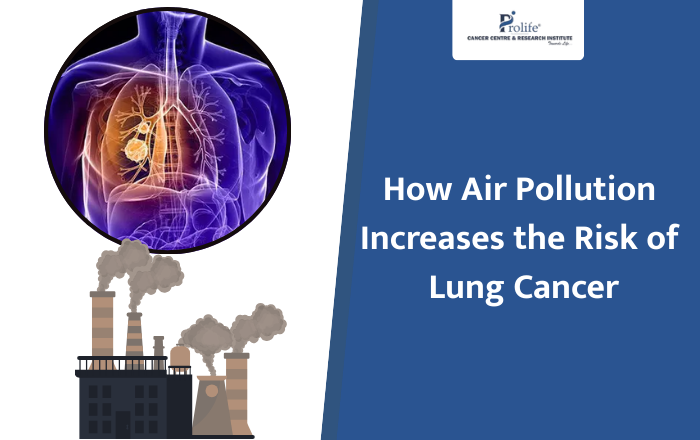
Take a deep breath. Now imagine that every breath you take contains invisible particles that could harm your lungs. This isn’t science fiction—it’s the reality for millions of people living in polluted cities today. If you’ve ever wondered whether air pollution and lung cancer are connected, the answer is a clear yes. Even if you’ve never smoked a cigarette, the air you breathe every day could be putting your health at risk.
The link between air pollution and lung cancer has become stronger with each passing year. Scientists now understand that breathing polluted air is similar to passive smoking. The tiny particles floating in the air can enter your lungs and stay there, causing damage over time. Let’s explore how this happens and what you can do to protect yourself.
What Makes Air Pollution So Dangerous?
Air pollution comes from many sources around us. Vehicle exhaust, factory smoke, construction dust, and burning fuels all release harmful substances into the air. These pollutants don’t just disappear—they stay suspended in the air we breathe.
The most dangerous culprit is something called PM2.5, or particulate matter 2.5. These particles are incredibly tiny—about 30 times smaller than a human hair. Because they’re so small, they can easily bypass your body’s natural defenses and travel deep into your lungs. Once inside, they can cause serious damage to your lung cells.
Other harmful pollutants include nitrogen dioxide from vehicles, sulfur dioxide from industries, and toxic chemicals released from burning materials. When you breathe these substances regularly, your lungs face constant attack.
How Does Air Pollution Cause Lung Cancer?
Understanding how air pollution causes lung cancer starts with knowing what happens inside your body. When polluted air enters your lungs, the harmful particles trigger inflammation. Your lung cells become irritated and damaged. Over time, this damage affects your DNA—the blueprint that tells your cells how to behave.
When DNA gets damaged repeatedly, cells can start growing abnormally. Instead of dying when they should, these damaged cells multiply and form tumors. This is how air pollution increases the risk of lung cancer.
Research from the World Health Organization confirms that outdoor air pollution is a proven cancer-causing agent. Studies show that for every 10 micrograms per cubic meter increase in PM2.5 levels, lung cancer risk goes up by about 9%. That’s a significant number, especially in cities with poor air quality.
What makes this even more concerning is that air pollution can cause lung cancer in non-smokers. You don’t need to smoke to be at risk. Simply living in a polluted area for many years can trigger cancerous changes in your lungs.
Who Faces the Highest Risk?
Certain groups of people face higher risks from polluted air:
- People living in big cities breathe more polluted air daily. If your home is near a busy highway or industrial area, your exposure is even higher.
- Children and elderly people are more vulnerable because their immune systems are either still developing or becoming weaker.
- Outdoor workers who spend long hours outside, especially traffic police, construction workers, and street vendors, face constant exposure.
- People with existing respiratory problems like asthma find their conditions worsen, which can increase cancer risk over time.
Recognizing the Warning Signs
Lung cancer often develops silently, but your body may give you warning signs:
- A cough that doesn’t go away or gets worse
- Difficulty breathing or shortness of breath
- Chest pain that worsens when you breathe deeply
- Unexplained weight loss
- Coughing up blood or rust-colored phlegm
- Frequent chest infections
If you notice any of these symptoms, especially if you’ve lived in a polluted area for years, don’t ignore them. Early detection makes treatment much more successful.
Protecting Yourself from Air Pollution
While you can’t control outdoor air quality, you can reduce your exposure:
- Check the air quality index (AQI) daily. When pollution levels are high, limit outdoor activities and keep windows closed.
- Use air purifiers at home, especially in bedrooms. HEPA filters can remove up to 99% of harmful particles from indoor air.
- Wear N95 masks when you need to go outside on heavily polluted days. Regular cloth masks don’t filter out PM2.5 particles.
- Create cleaner indoor spaces by avoiding indoor smoking, using exhaust fans while cooking, and keeping your home well-ventilated when outdoor air quality is good.
- Exercise smart. Stay active, but choose early morning hours when pollution is typically lower. Avoid exercising near busy roads.
- Eat foods rich in antioxidants like fruits and vegetables. While they can’t prevent cancer alone, they help your body fight inflammation.
- Stay hydrated to help your body flush out toxins.
The Importance of Regular Health Checkups
Since air pollution lung cancer risk builds up over time, regular health screenings become crucial. If you’ve lived in a polluted city for many years, consider getting lung health checkups even without symptoms.
Low-dose CT scans can detect lung cancer early when treatment works best. People over 50 who have lived in high-pollution areas should discuss screening options with their doctor.
When Should You See a Doctor?
Don’t wait if you’re experiencing respiratory symptoms. The link between air pollution and lung cancer means that prevention and early detection are your best defenses. If you have a persistent cough, breathing difficulties, or chest pain, schedule a medical consultation right away.
Frequently Asked Questions
Q1. Can breathing polluted air really cause lung cancer if I don’t smoke?
Yes. Air pollution can cause lung cancer in non-smokers. Long-term exposure to polluted air damages lung cells just like smoking does. In fact, air pollution is responsible for a growing number of lung cancer cases in people who have never smoked.
Q2. How long does it take for air pollution to cause lung cancer?
Cancer from air pollution typically develops after 10 to 30 years of exposure. The risk increases with both the pollution level and how long you’re exposed. However, everyone’s risk is different based on their genetics and overall health.
Q3. Is indoor air pollution also dangerous?
Yes, indoor air can sometimes be more polluted than outdoor air. Cooking smoke, tobacco smoke, and poor ventilation can create harmful conditions. Since we spend most of our time indoors, indoor air quality matters greatly for lung health.
Take Action for Your Lung Health
The reality of air pollution and lung cancer risk shouldn’t scare you—it should motivate you to take action. While we can’t change city-wide pollution overnight, we can protect ourselves and catch problems early.
If you’re in Pune and worried about your lung health or experiencing any concerning symptoms, consider visiting Prolife Cancer Centre. Dr. Sumit Shah and his team specialize in lung cancer treatment and can help with screening, diagnosis, and treatment options. They understand how environmental factors like pollution affect your lungs and can guide you toward better health.
Your lungs work hard for you every single day. Give them the attention they deserve. Whether it’s making small lifestyle changes, monitoring air quality, or getting regular checkups, every step you take matters. Don’t wait until symptoms appear—be proactive about your lung health today.
For lung cancer screening or consultation in Pune, reach out to Prolife Cancer Centre. Your health is worth protecting, and the right guidance can make all the difference.
