


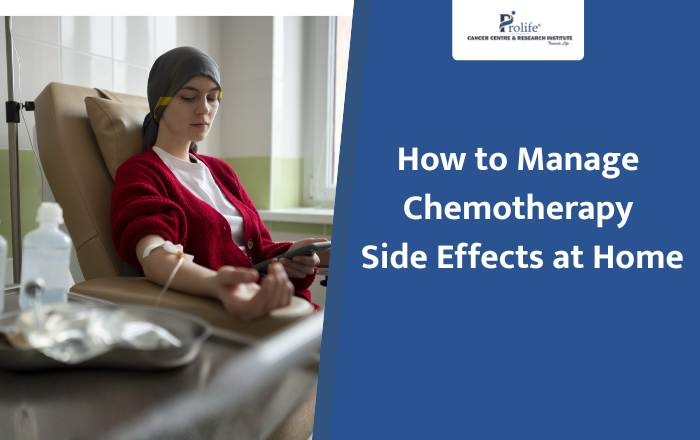
Hearing the word “chemotherapy” can feel terrifying. And when treatment begins, the side effects can make an already hard journey feel even harder. But here’s something important to know — managing chemotherapy side effects at home is possible, and thousands of patients do it successfully every day. With the right habits, small changes, and a little support, you can feel more comfortable and in control during treatment. This guide walks you through exactly what helps.
What Makes Chemotherapy So Hard on the Body?
Chemo targets fast-dividing cells. Cancer cells divide fast — but so do cells in your hair, gut lining, and mouth. That’s why chemotherapy side effects show up in so many different ways. The most common ones include:
- Nausea and vomiting
- Fatigue
- Hair loss
- Mouth sores
- Loss of appetite
- Infections due to low immunity
- Tingling or numbness in hands and feet
- Anxiety and low mood
The good news? Most of these can be managed at home with simple, practical steps.
7 Real Ways to Handle Chemotherapy Side Effects at Home
1. Beat Nausea Before It Starts
Nausea is one of the top chemo side effects patients struggle with. Don’t wait for it to hit hard — stay ahead of it.
- Eat small meals every 2–3 hours instead of big portions
- Try cold or room-temperature food — strong smells trigger nausea
- Sip ginger tea or chew ginger candy throughout the day
- Sit upright for at least an hour after eating
- Take anti-nausea medication exactly as your doctor prescribed
Quick Tip: Keep dry crackers on your bedside table. Eating a few before getting up in the morning can calm early nausea.
2. Rest Smart to Fight Fatigue
Fatigue during chemotherapy treatment isn’t ordinary tiredness. It affects up to 96% of chemo patients and doesn’t always go away with sleep alone.
- Keep a consistent sleep and wake schedule
- Take short 20–30 minute naps — long naps can disrupt night sleep
- Take short, gentle walks — even 10 minutes helps boost energy
- Drink enough water — dehydration makes fatigue much worse
- Ask family to help with daily tasks — accepting help is not weakness
3. Protect Your Mouth from Sores
Mouth sores usually appear 5–14 days into treatment and can make eating painful. Managing chemo-related mouth sores at home is straightforward with the right routine.
- Rinse 4–5 times a day with salt and baking soda solution (1 tsp each in 4 cups of water)
- Use a soft toothbrush and brush gently
- Eat soft, cool foods: yogurt, mashed potatoes, smoothies
- Avoid spicy, salty, or crunchy foods
- Skip alcohol-based mouthwash — it dries and irritates
4. Eat Foods That Help Your Body Heal
Eating well during chemotherapy is one of the most powerful things you can do. You may not feel hungry, but your body needs fuel.
Good choices: Eggs, lentils, soft-cooked chicken, yogurt, oats, avocado, bananas, and cooked vegetables
Avoid: Raw or undercooked meat, very spicy food, alcohol, and unpasteurized dairy
Stat to know: Research shows that patients who maintain good nutrition during chemo tolerate treatment better and recover faster.
Even eating a few bites every couple of hours is better than skipping meals. If appetite is very low, try calorie-dense options like nut butter, protein shakes, or fortified smoothies.
5. Keep Infections Away
Chemotherapy weakens your immune system, making infections a real risk. The days 7–14 after each cycle are when your immunity is at its lowest.
- Wash hands often, especially before eating
- Avoid people who are sick or have colds
- Keep all wounds clean and covered
- Check your temperature daily — a fever above 100.4°F (38°C) needs immediate medical attention
- Avoid raw foods that may carry bacteria
6. Cope with Hair Loss Gently
Hair loss is often the most emotionally difficult side effect of chemo. It’s visible, and it’s a constant reminder of what you’re going through.
- Cut your hair short before treatment — the transition feels less sudden
- Ask your doctor about scalp cooling caps — they can reduce hair loss with certain drugs
- Use soft cotton scarves or comfortable caps
- Know that hair typically grows back 3–6 months after treatment ends
Remember: Losing your hair does not mean losing your strength. It’s temporary. Your fight is what defines you.
7. Take Care of Your Mental Health
This part often gets overlooked. The emotional side effects of chemotherapy are just as real as the physical ones. Nearly 40% of cancer patients experience significant anxiety or depression during treatment.
- Talk to someone you trust — a friend, family member, or counselor
- Write in a journal to process your feelings
- Try simple breathing exercises or short meditation
- Join an online or in-person cancer support group
- Ask your doctor for a referral to a counselor if needed
You don’t have to feel strong all the time. Asking for help is one of the bravest things you can do.
When to Call Your Doctor Right Away
Home care for chemo side effects has limits. Go to your doctor or emergency room immediately if you notice:
- Fever above 100.4°F
- Uncontrollable vomiting or diarrhea
- Chest pain or trouble breathing
- Unusual bleeding
- Inability to eat or drink for more than 24 hours
Frequently Asked Questions
Q: Can I exercise during chemotherapy?
Yes. Light walking or gentle yoga can reduce fatigue and improve your mood. Always check with your doctor before starting.
Q: How long do chemo side effects last at home?
Most acute effects peak 1–3 days after treatment and ease before the next cycle. Some, like hair loss or neuropathy, take longer to resolve after treatment ends.
Q: Are natural remedies safe during chemo?
Some, like ginger for nausea, are well-supported. But always ask your oncologist before taking any supplement — some can interfere with your treatment.
Looking for Trusted Chemotherapy Treatment in Pune?
Managing chemotherapy side effects at home becomes much easier when you have the right medical team supporting you.
Prolife Cancer Centre, Pune offers affordable and effective chemotherapy treatment guided by Dr. Sumit Shah — Founder and Chief Consultant Surgical Oncologist. Dr. Shah and his team are known for genuine, patient-focused care — making sure every patient not only receives the right treatment but also the guidance to handle it well.
If you or someone you love is navigating cancer treatment, reach out to Prolife Cancer Centre today and take the first step toward care that truly puts you first.
