


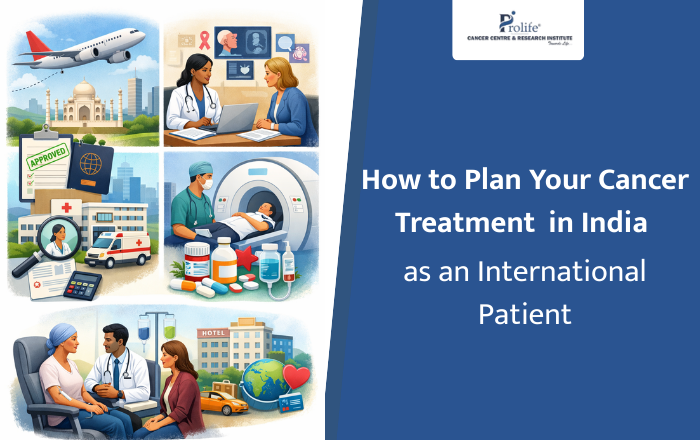
Hearing the words “you have cancer” is one of the hardest moments anyone can face. And when you start looking for the best possible treatment — only to discover that costs in your home country are sky-high, waiting lists are months long, or the right specialists simply aren’t available — it can feel like you’re hitting a wall at the worst possible time.
Here’s something that gives thousands of patients real hope every year: cancer treatment in India for international patients is not only possible — it’s genuinely good, surprisingly affordable, and far more organized than most people expect.
This guide walks you through exactly how to plan your cancer treatment in India, step by step, so you can move forward with confidence instead of confusion.
Why Do So Many International Patients Choose India for Cancer Treatment?
The numbers alone tell a strong story. India treats over 500,000 international patients every year, and cancer care is one of the biggest reasons people make the journey. Treatment costs in India are typically 60–80% lower than in the US, UK, or Australia — without any drop in the quality of care.
Waiting times are another big factor. In many Western countries, you might wait 3–6 months for surgery. In India, the same procedure can often be scheduled within days. When you’re dealing with cancer, that difference matters enormously.
Step 1: Gather Your Medical Records First
Before you contact any hospital in India, get your records organized. This single step saves you weeks of back-and-forth later.
Here’s what you’ll need:
- Biopsy and pathology reports (most important)
- Imaging scans — CT, MRI, PET-CT (digital copies or on CD)
- Blood test results — tumor markers, CBC, organ function tests
- Details of any previous treatment — surgery, chemotherapy, radiation
- Current medications list
Make sure everything is in English or has a certified translation attached.
Step 2: Research and Choose the Right Cancer Hospital
This is where many international patients go wrong — they pick the most-advertised hospital rather than the right one for their specific cancer type.
When shortlisting hospitals for cancer treatment in India as an international patient, look for:
- Accreditation — NABH or JCI certification confirms the hospital meets international safety standards.
- Specialization — Does the hospital have surgeons who specifically focus on your type of cancer? General oncology departments are not the same as dedicated cancer centres with subspecialty surgeons.
- Experience of the surgical team — For most cancers, surgery is the most important part of treatment. The skill and experience of your surgeon directly affects your outcome. Ask how many procedures of your type the surgeon has performed.
- International patient support — A good hospital will have a team that helps you with visa letters, airport transfers, accommodation, and language support. This makes the entire experience far less stressful.
- Clear, written cost estimates — Any trustworthy hospital will give you a detailed cost breakdown before you travel. Vague pricing is a red flag.
Step 3: Request a Remote Consultation Before You Book Flights
Most good cancer hospitals in India now offer online consultations for international patients seeking cancer treatment in India. This is a no-cost, no-obligation step that gives you crucial information before you spend money on flights.
Here’s how it works: you send your reports, a doctor reviews the case within 24–72 hours, and you receive a written treatment plan with a cost estimate. You can then arrange a video call to ask questions directly.
This one step can save you from traveling to the wrong hospital — or give you complete confidence that you’ve found the right one.
Step 4: Understand the Real Costs Involved
One of the most common questions about affordable cancer treatment in India is: what will it actually cost me?
Here’s a realistic comparison:
| Treatment | India | USA |
|---|---|---|
| Major cancer surgery | $3,000–$8,000 | $30,000–$80,000 |
| Chemotherapy (full course) | $2,000–$6,000 | $20,000–$60,000 |
| PET-CT scan | $200–$350 | $3,000–$6,000 |
Beyond the medical bill, budget for flights, accommodation, food, and local transport. A safe rule is to add 15–20% on top of your treatment estimate to cover these extras comfortably.
Always ask for an all-inclusive package — surgery, hospital stay, anesthesia, and post-op care bundled into one clear number.
Step 5: Apply for an Indian Medical Visa
India offers a dedicated Medical Visa (e-MV) that is processed quickly — usually within 3–5 business days online. You’ll need a hospital appointment letter, your passport, proof of funds, and your medical documents.
Up to two family members can also get Medical Attendant Visas to travel and stay with you. Your hospital’s international patient team will help you with the paperwork.
Step 6: Sort Out Accommodation and Logistics
Many cancer hospitals in India offer guest houses right on campus for families — convenient and often affordable. For longer stays, serviced apartments nearby are a good option. Ask your hospital’s international coordinator for recommendations — they usually have partnerships with nearby accommodation at better rates.
Step 7: Plan Your Follow-Up Care Before You Leave India
Treatment doesn’t stop when you fly home. Before you leave, make sure your hospital provides full digital discharge records, a report your local doctor can actually use, and access to telemedicine follow-up appointments with your Indian oncologist.
The best hospitals will also write directly to your GP or specialist back home, explaining exactly what treatment you received and what follow-up is needed.
Our Recommendation: Prolife Cancer Centre, Pune
If you’re looking for cancer treatment in India with a surgeon you can genuinely trust, Prolife Cancer Centre in Pune is one name that stands out.
The centre is led by Dr. Sumit Shah, a Senior Surgical Oncologist with 21+ years of experience in cancer surgery. He and his team have treated patients from across Africa, the Middle East, South Asia, and beyond — and they understand exactly what international patients need from the moment they first reach out to the time they return home.
Prolife Cancer Centre offers affordable cancer treatment in India with full cost transparency, a dedicated international patient support team, and a genuine focus on treating every patient as a person — not a number.
📞 Contact Prolife Cancer Centre today for a free remote case review. Submit your reports, get a written opinion from Dr. Sumit Shah’s team within 48 hours, and take the first real step forward — at no cost and no obligation.
Frequently Asked Questions
Q1: Is cancer treatment in India safe for international patients?
Yes, provided you choose an accredited hospital with qualified, experienced oncologists. Look for NABH or JCI-certified centres.
Q2: How long will I need to stay in India?
Surgery alone usually requires 2–3 weeks. Combined treatment programs may need 6–8 weeks or multiple visits. Your doctor will give you a clear timeline after reviewing your case.
Q3: Is Prolife Cancer Centre good for international patients?
Prolife Cancer Centre has strong experience treating international patients, with a team built to support every step of the process — from first contact to post-treatment follow-up.
Q4.How is the cost of treatment at Prolife Cancer Centre compared to other hospitals in India?
Prolife Cancer Centre is known for offering honest, affordable pricing without hidden charges. Unlike large corporate hospitals where billing can feel unpredictable, Prolife provides clear, written cost estimates before treatment begins. Many international patients find the total cost — including surgery, hospital stay, and follow-up — significantly lower than what they were quoted elsewhere.
