


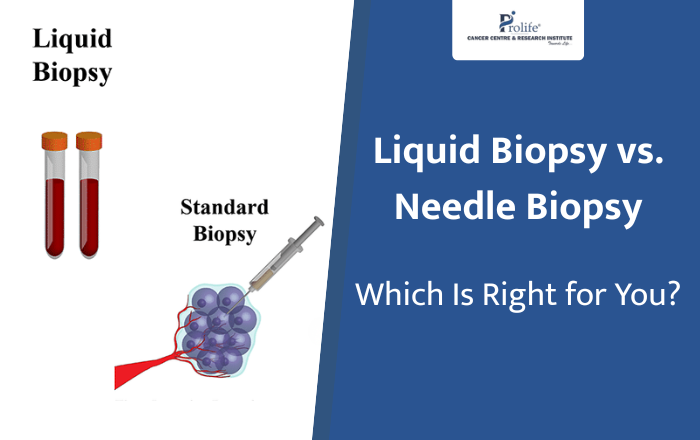
When your doctor mentions you need a biopsy, it’s natural to feel anxious. You might wonder: What exactly happens during the procedure? Will it hurt? Is there an easier way? Today, we’re going to talk about two important types of biopsies—liquid biopsy and needle biopsy—so you can understand what each one means for you.
A biopsy is simply a test that helps doctors look for cancer or other diseases in your body. Think of it as a way for doctors to get a closer look at what’s happening inside. The good news is that medical science has given us options, and knowing the difference between liquid biopsy vs. needle biopsy can help you feel more confident about your healthcare decisions.
What Is a Needle Biopsy?
A needle biopsy is the traditional method doctors have used for many years. During this procedure, a doctor uses a thin needle to remove a small piece of tissue from the area that looks concerning. This might be a lump in your breast, a spot on your lung, or any other area that needs checking.
There are two main types:
- Fine needle aspiration (FNA): Uses a very thin needle to collect cells
- Core needle biopsy: Uses a slightly larger needle to get a small tissue sample
What Is a Needle Biopsy?
A needle biopsy is the traditional method doctors have used for many years. During this procedure, a doctor uses a thin needle to remove a small piece of tissue from the area that looks concerning. This might be a lump in your breast, a spot on your lung, or any other area that needs checking.
There are two main types:
- Fine needle aspiration (FNA): Uses a very thin needle to collect cells
- Core needle biopsy: Uses a slightly larger needle to get a small tissue sample
What Is a Liquid Biopsy?
Now, let’s talk about liquid biopsy—the newer approach that’s changing cancer detection. A liquid biopsy is simply a blood test. Yes, it’s that simple! Doctors draw your blood just like they would for any routine blood work, and then they analyze it for signs of cancer.
– How Does It Work?
When cancer is present in your body, tiny pieces of tumor DNA and cancer cells can float around in your bloodstream. A liquid biopsy looks for these markers. You just sit for a quick blood draw, and the lab does the rest. Results typically come back within a week or two.
– Benefits of Liquid Biopsy
The biggest advantage of liquid biopsy is convenience. There’s no surgery, no needles going into organs, and no recovery time needed. You can have this test done and go straight back to your normal activities. Because it’s so easy, doctors can repeat liquid biopsy tests regularly to monitor how treatment is working or check if cancer has returned.
Another benefit? A liquid biopsy can detect cancer DNA from anywhere in your body, not just one specific spot.
– Limitations to Know About
While liquid biopsy sounds perfect, it has some limitations. It might not catch very early cancers or small tumors because they don’t release enough DNA into the blood yet. Also, it can’t tell doctors everything about the tumor’s structure the way tissue samples can. And since it’s relatively new, not all insurance companies cover it yet.
Liquid Biopsy vs. Needle Biopsy: The Key Differences
When comparing liquid biopsy vs. needle biopsy, think about what you need to know and when.
- For initial diagnosis: Needle biopsy is usually better because it provides detailed tissue information that helps doctors understand exactly what they’re dealing with.
- For monitoring treatment: Liquid biopsy shines here because you can repeat it often without any discomfort or risk.
- For patient comfort: Liquid biopsy wins hands down—it’s just a blood draw versus a procedure with needles and recovery time.
- For accuracy: Both are accurate, but they measure different things. Needle biopsy examines actual tumor tissue, while liquid biopsy detects cancer markers in blood.
Which One Should You Choose?
The truth is, you might not have to choose just one. Many patients benefit from both methods at different times. Your doctor might recommend a needle biopsy first to confirm diagnosis and understand the cancer type. Later, liquid biopsy tests can track how treatment is working.
Consider these factors:
- What stage is the cancer (if confirmed)?
- Are you getting the test to diagnose or to monitor?
- What’s your overall health condition?
- Which test will give the information needed right now?
The decision between liquid biopsy vs. needle biopsy isn’t about which one is “better”—it’s about which one fits your specific situation.
Questions to Ask Your Doctor
Before any biopsy, have an honest conversation with your doctor:
- Which biopsy method do you recommend for my case?
- What will this test tell us that we don’t already know?
- What are the risks for me specifically?
- How soon will I get results?
- Will my insurance cover this?
Getting the Right Care in Pune
Making decisions about cancer testing and treatment can feel overwhelming, but you don’t have to face it alone. If you’re looking for guidance on whether liquid biopsy or needle biopsy is right for you, connecting with experienced doctors makes all the difference.
Prolife Cancer Centre in Pune offers both diagnostic options and helps patients understand which tests they need. Dr. Sumit Shah and the medical team there can explain your options clearly and help you make informed decisions about your care. As one of the trusted cancer hospitals in Pune, Prolife Cancer Centre provides support from diagnosis through treatment.
If you’re concerned about cancer or need a second opinion on biopsy options, consider scheduling a consultation. Having the right information and the right medical team can help you move forward with confidence.
Frequently Asked Questions
Q1. Is liquid biopsy as accurate as needle biopsy?
Both are accurate for different purposes. Needle biopsy is more detailed for initial diagnosis, while liquid biopsy is excellent for monitoring and detecting changes over time.
Q2. Does needle biopsy hurt?
Most patients feel minimal discomfort because the area is numbed first. You might feel pressure, but significant pain is uncommon.
Q3. Can liquid biopsy detect all types of cancer?
Not all types equally well. It works better for some cancers than others, and early-stage tumors may not release enough DNA into the blood for detection.
