


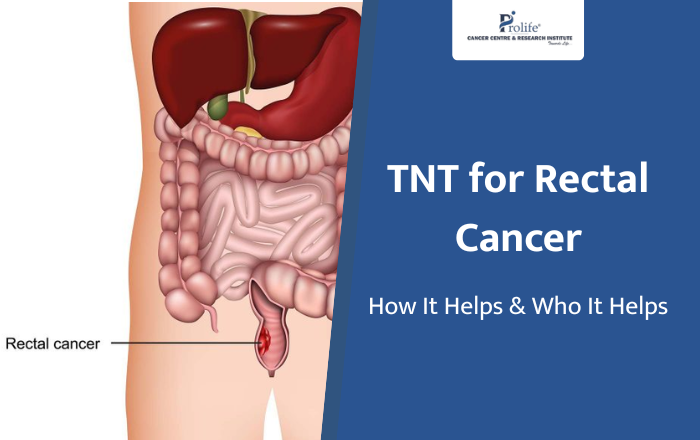
Receiving a rectal cancer diagnosis can feel overwhelming. But here’s some encouraging news: TNT for rectal cancer—Total Neoadjuvant Therapy—is changing how doctors treat this disease. This approach gives many patients better results and, in some cases, even helps them avoid surgery completely.
If you’re wondering what TNT therapy is, how it works, and whether it might help you or someone you love, this blog will answer all your questions in plain, simple language.
What Is TNT for Rectal Cancer?
Total Neoadjuvant Therapy (TNT) means giving treatment before surgery rather than after. The word “neoadjuvant” simply means treatment that comes first. With TNT for rectal cancer, doctors combine chemotherapy and radiation therapy upfront to shrink the tumor before considering surgery.
How TNT Differs from Traditional Treatment
Traditional rectal cancer treatment usually follows this order:
- Surgery to remove the tumor
- Chemotherapy and radiation afterward
TNT therapy flips this around:
- Chemotherapy and radiation first
- Wait and check how the tumor responds
- Then decide if surgery is needed
This different approach has shown impressive results. Studies reveal that TNT can lead to complete tumor disappearance in 25-30% of patients—meaning no cancer cells remain after treatment.
How Does TNT Therapy Work? The Treatment Process
Step 1: Chemotherapy (8-12 Weeks)
You’ll start with chemotherapy medications that travel through your bloodstream to attack cancer cells. This phase typically lasts 2-3 months. Most people receive treatment through an IV at a cancer center.
Step 2: Radiation Therapy (5-6 Weeks)
Next comes radiation, which uses targeted beams to kill cancer cells in the rectal area. You’ll visit the treatment center five days a week for about 5-6 weeks. Each session only takes 10-15 minutes.
Step 3: Rest and Re-evaluation (8-12 Weeks)
After completing chemo and radiation, you’ll have a waiting period. This gives treatments time to work fully. Your doctor will then use MRI or CT scans to see how much the tumor has shrunk.
What Happens Next?
Based on scan results, you have options:
- If the tumor is still there: Surgery to remove it (now much easier because it’s smaller)
- If the tumor disappeared completely: Your doctor may suggest “watch and wait” instead of surgery
- If more treatment is needed: Additional therapy before any surgical decision
Who Can Benefit from TNT for Rectal Cancer?
TNT therapy works best for people with:
- Stage II or III rectal cancer (locally advanced disease)
- Tumors that haven’t spread to other organs
- Cancer in the lower or middle part of the rectum
- Good overall health to handle intensive treatment
However, TNT may not be suitable if:
- Cancer has spread to distant organs (Stage IV)
- You need emergency surgery right away
- You have certain other health conditions
Only your cancer doctor can tell you if TNT for rectal cancer is right for your specific situation.
Real Benefits: Why TNT Is Making a Difference
Here’s what makes Total Neoadjuvant Therapy so promising:
1. Better Tumor Shrinkage: 80-90% of patients see significant tumor reduction
2. Surgery May Not Be Needed: About 20-30% of patients avoid surgery entirely through the watch-and-wait approach
3. Lower Chance of Cancer Return: Research shows TNT improves 3-year disease-free survival by 7-10% compared to traditional treatment
4. Reduced Colostomy Risk: When tumors shrink, surgeons can often save normal bowel function
5. Easier to Complete Treatment: Getting all therapy upfront means better completion rates
What to Expect During TNT Treatment
Common Side Effects
Most people experience some side effects, but they’re usually manageable:
- Tiredness and low energy
- Upset stomach or loss of appetite
- Diarrhea or changes in bowel habits
- Skin irritation where radiation is applied
- Some hair thinning
The good news? These side effects are temporary. They typically improve after treatment ends.
Tips to Help You Through Treatment
- Drink plenty of water throughout the day
- Eat small meals more frequently if you’re not hungry
- Rest when you need to—your body is working hard
- Ask for medicine if nausea or pain bothers you
- Use gentle, unscented soap on treated skin areas
- Talk to your care team about any concerns
Frequently Asked Questions
Q1. Will I definitely need surgery after TNT?
It depends entirely on how your tumor responds. About 70-80% of patients still benefit from surgery, while 20-30% may qualify for careful monitoring instead.
Q2. Is TNT safer than standard treatment?
TNT uses the same treatments as traditional approaches—just in a different order. The safety profile is similar, but many doctors believe the results are better.
Q3. Can TNT cure my rectal cancer?
TNT for rectal cancer can lead to excellent outcomes. Some patients achieve complete tumor disappearance. However, regular follow-up appointments remain important to monitor your health.
Finding the Right Care in Pune
If you’re facing a rectal cancer diagnosis, getting the right guidance from the start matters enormously.
Dr. Sumit Shah, a Surgical Oncologist with over 21 years of experience, specializes in rectal cancer treatment at Prolife Cancer Centre in Pune. Dr. Shah offers:
✓ TNT therapy and other modern treatment options
✓ Clear explanations in language you can understand
✓ A caring team that supports you at every step
✓ Treatment plans designed around your specific needs
Your health deserves attention from someone who truly understands rectal cancer.
📞 Contact Dr. Sumit Shah for a consultation
🏥 Prolife Cancer Centre, Pune