


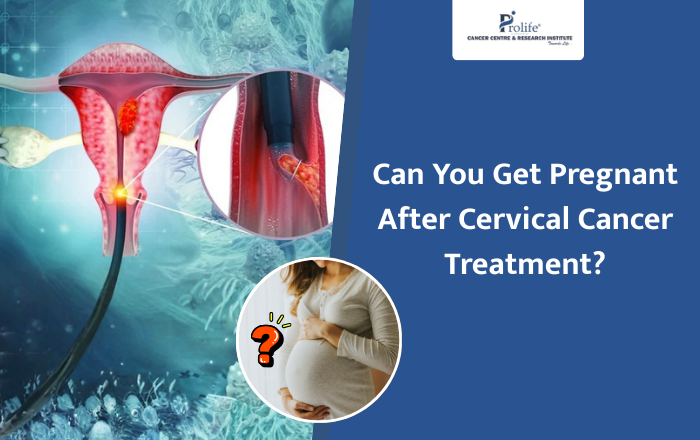
If you’ve been diagnosed with cervical cancer and dream of becoming a mother someday, you’re probably asking yourself an important question: can you get pregnant after cervical cancer treatment? This concern is completely natural, especially since many women receive this diagnosis during their childbearing years.
The good news is that pregnancy after cervical cancer is possible for many women, depending on the type of treatment you receive. While the journey may require careful planning and medical guidance, understanding your options can give you hope and help you make informed decisions about your future.
Let’s explore how different treatments affect fertility, what options exist to preserve your ability to have children, and the real possibilities for becoming a mother after cervical cancer.
Understanding How Treatment Affects Fertility
Cervical cancer treatment can impact your ability to get pregnant, but not all treatments have the same effect. The impact depends on what type of treatment your doctor recommends based on your cancer stage.
For early-stage cervical cancer, doctors may use less invasive procedures like a cone biopsy, which removes only a small portion of the cervix. This procedure typically allows women to get pregnant after cervical cancer treatment without major complications.
Another option is a radical trachelectomy, where surgeons remove the cervix but leave the uterus intact. This fertility-sparing surgery makes pregnancy after cervical cancer treatment possible, though you’ll need close monitoring during pregnancy.
However, if you need a hysterectomy (removal of the uterus) or radiation therapy to the pelvis, carrying a pregnancy yourself won’t be possible. In these cases, your eggs may still be healthy, opening the door to other family-building options like surrogacy.
Protecting Your Fertility Before Treatment Starts
If maintaining your fertility is important to you, talk to your doctor before starting treatment. This conversation should happen as early as possible because some fertility preservation methods take time.
Egg freezing is one of the most common options. Doctors collect and freeze your eggs so you can use them later for in vitro fertilization (IVF). This process usually takes about two weeks and can be done before most cancer treatments begin.
If you have a partner or plan to use donor sperm, embryo freezing might be another choice. This involves fertilizing your eggs before freezing them, which can sometimes lead to better success rates during future IVF attempts.
For women who need to start cancer treatment immediately, ovarian transposition is sometimes possible. During this procedure, surgeons move your ovaries away from the area that will receive radiation, helping protect them from damage.
What to Expect When Trying to Conceive
After completing cervical cancer treatment, your doctor will likely recommend waiting before trying to get pregnant after cervical cancer. Most specialists suggest waiting between six months to two years. This waiting period allows your body to heal and gives doctors time to monitor for any signs that cancer might return.
Pregnancy after cervical cancer treatment comes with some unique considerations. Women who had a trachelectomy face a higher risk of preterm birth because they have a shorter cervix. Your doctor may recommend a cervical cerclage—a stitch that helps keep the cervix closed during pregnancy to reduce this risk.
You’ll also need more frequent monitoring throughout your pregnancy. Regular ultrasounds and check-ups help ensure both you and your baby stay healthy. Many women who become pregnant after cervical cancer deliver healthy babies, especially with proper medical care and monitoring.
Success rates vary depending on your specific treatment. After a trachelectomy, pregnancy rates range from 40% to 70%. Factors like your age, overall health, and how much of the cervix was removed all play a role in your chances of conceiving.
Other Paths to Motherhood
If carrying a pregnancy isn’t possible after your treatment, you still have meaningful ways to build your family.
Gestational surrogacy allows you to have a biological child even if you can’t carry the pregnancy yourself. If your ovaries weren’t affected by treatment, you can use your own eggs with IVF. A surrogate then carries the pregnancy for you.
Adoption is another beautiful way to become a mother. Many cancer survivors find this path deeply fulfilling and create loving families through adoption.
Working With Your Medical Team
Having open conversations with your healthcare providers makes all the difference. Here are important questions to ask your oncologist:
- Will my specific treatment affect my ability to have children?
- Are there treatment options that could preserve my fertility?
- When would it be safe for me to try to conceive?
- Should I see a fertility specialist before starting treatment?
If fertility after cervical cancer treatment matters to you, consider consulting a reproductive specialist alongside your cancer doctor. These experts can help you understand all your options and create a plan that fits your situation.
Don’t forget about emotional support, either. Dealing with cancer while worrying about future fertility can feel overwhelming. Counseling, support groups, and connecting with other survivors who’ve faced similar challenges can provide comfort and practical advice.
Frequently Asked Questions
Q1. How long after cervical cancer treatment can I try to get pregnant?
Most doctors recommend waiting 6 months to 2 years to make sure cancer hasn’t returned and your body has fully healed.
Q2. Does chemotherapy cause infertility?
Chemotherapy can affect fertility, particularly if it damages your ovaries, but many women still conceive afterward. Fertility preservation before treatment is worth discussing.
Q3. What are the risks of pregnancy after cervical cancer?
The main risks include preterm birth and cervical incompetence, which is why close medical supervision throughout pregnancy is so important.
Q4. Should I freeze my eggs before treatment?
If you want to preserve your fertility options and have time before treatment begins, egg or embryo freezing is highly recommended.
Schedule Your Consultation With Dr. Sumit Shah Today
Pregnancy after cervical cancer treatment is a real possibility for many women, but it requires careful planning and medical guidance. The earlier you discuss fertility with your cancer treatment team, the more options you’ll have.
If you’re facing a Cervical cancer diagnosis in Pune and want to explore fertility-sparing treatment options, Dr. Sumit Shah at Prolife Cancer Centre specializes in treating cervical cancer while considering your future family planning goals.
Dr. Shah provides care that looks at both treating your cancer effectively and, when medically appropriate, preserving your ability to have children. Don’t face this journey alone—reach out to discuss your treatment options, fertility preservation strategies, and what pregnancy might look like after treatment.
Contact Prolife Cancer Centre today to schedule a consultation with Dr. Sumit Shah and learn about the options available for your specific situation. Your diagnosis doesn’t have to mean the end of your dreams of becoming a mother.
